Opening Times Daily 10am - 5pm
Ticket PricesPay once, get in all year Adults £19 Children (Under 18s) £10 Children (Under 5s) Free
Getting here National Maritime Museum Cornwall Trust Discovery Quay Falmouth Cornwall TR11 3QY
View on Google Maps
Contact Tel: +44(0)1326 313388 Email: enquiries@nmmc.co.uk
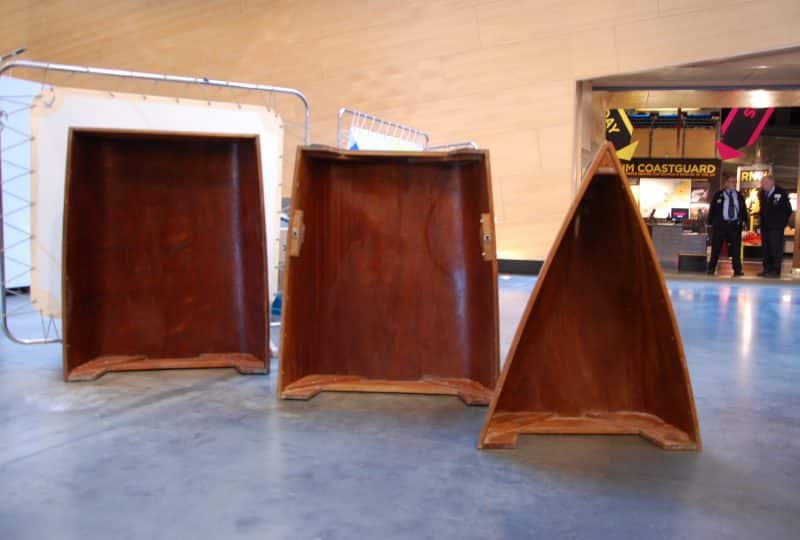
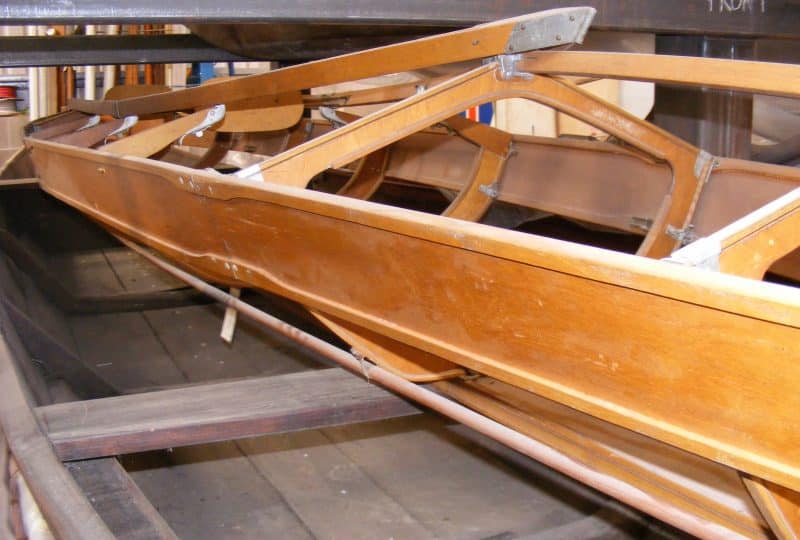
There is nothing new about the idea of a folding boat. Some of the Titanic’s lifeboats were folding boats and were successfully launched before the ship sank, but any lifeboat associated with the Titanic probably would not have received rave reviews so not many were built. Folding boats present all sorts of challenges to their…
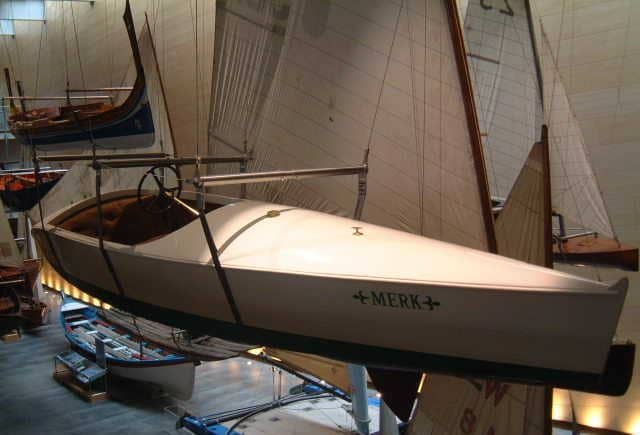
By the late 19th century boating and picnics on the River Thames were gaining in popularity: social events such as the Henley Regatta saw large gatherings of pleasure boats. The first slipper launch was designed and built by John Andrews at his father’s boatyard in Maidenhead in 1913. Powered by a single cylinder petrol engine,…
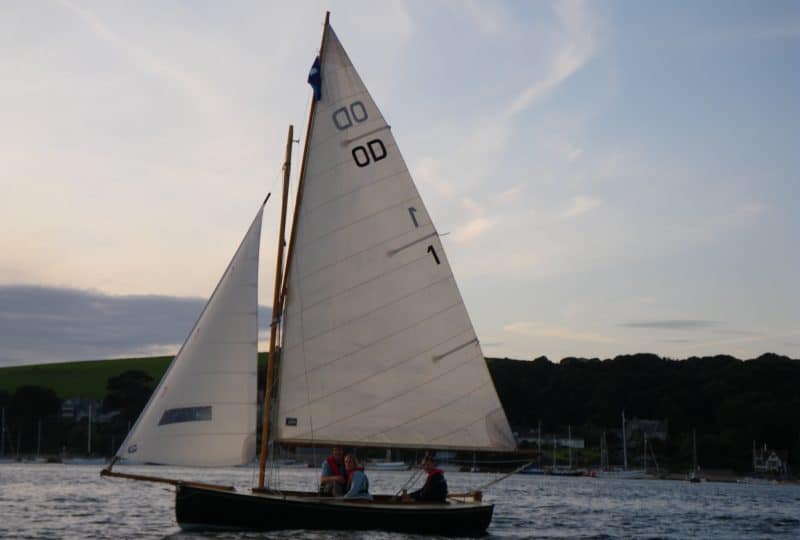
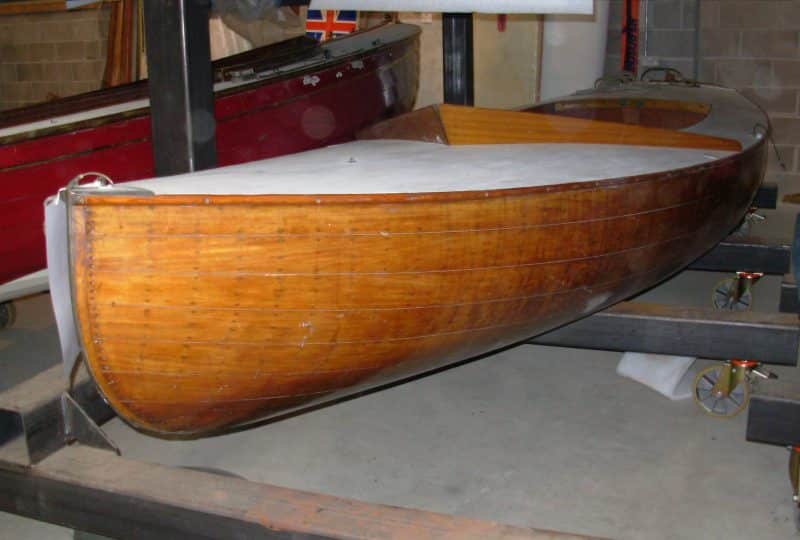
The St. Mawes One Design (SMOD) evolved as a result of a Dr. James beating Frank Peters in races off St. Mawes, Cornwall in the early 1920s. Frank, designer of the class and builder of Aileen, was part of a family firm which had been building boats locally for some two hundred years. The firm…
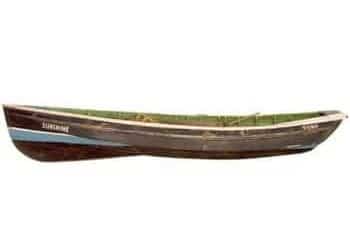
Sunshine was built c.1880 as a ‘foy boat’ for the River Wear in the North East of England. It was used for a range of inshore duties, such as transporting people and goods, and carrying out mooring work for larger vessels while in harbour. Sunshine is a small coble known as a ‘half-coble’. It has…
Surf life saving boats were first introduced into the UK from Australia in 1965. They have always been used primarily for competition and occasionally for rescue. Today, the equipment for rescue has changed dramatically to include jet skis and paddleboards. Surf boats are now only used for competition. Neville Glidden was built in Perth, Australia…
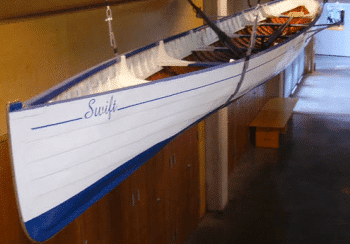
Swift and other boats like her were built for racing on the rivers Gannel and Camel in Cornwall and was probably built sometime between 1890 and 1910 in Padstow. These gigs were long, narrow and lightly constructed. They were predominantly family owned and raced, sometimes with a young child being employed as cox to steer…
During the late 18th century there were a number of developments aimed at creating a uniform system of measurement and rating to allow boats of similar but slightly different designs to compete on even terms. In 1887 the Yacht Racing Association introduced its LSA (Length Sail Area) rule. Previous rules had focused on hull size…
https://nmmc.co.uk/object/boats/klepper-folding-…uccessful-design/Boat building is a low profit margin business and as a result the history of boat building is littered with bankruptcies and short production runs. So all the more remarkable is the longevity of the German company, Klepper, which has been producing folding kayaks for over 100 years. In the early years of the twentieth…
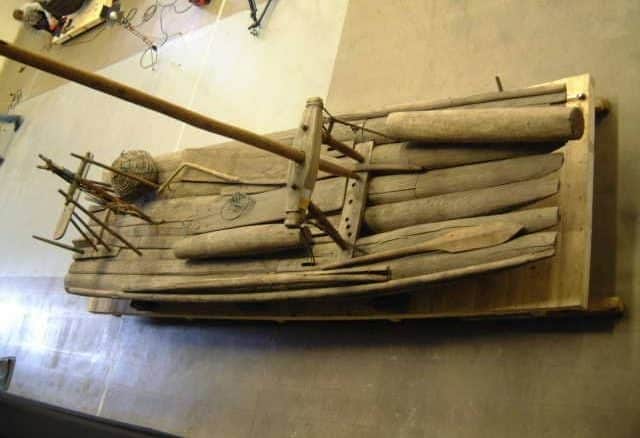
Simple fishing rafts made from available materials, with designs adapted to local conditions, have been found across the globe: from their use in Polynesia, by Aboriginal Australians, via the Tamil coast of India, to the north east coast of Brazil. When the Portuguese arrived in Brazil in the sixteenth century they encountered very simple square…
Sign up for our monthly newsletter for the latest Museum news
Email Sign up
National Maritime Museum Cornwall Trust Discovery Quay Falmouth Cornwall TR11 3QY
View Map See our opening hours
Tel: +44(0)1326 313388
Email: enquiries@nmmc.co.uk
Book Now to Save 10%